10 Tips To Grow Your Online Business in 2025
Updated January 2, 2025
Starting and scaling an online business in 2025 is both exciting and challenging. Building a successful digital business requires dedication, adaptability, and a strategic approach as technology evolves and consumer expectations grow.
Along the way, you’ll encounter obstacles and learn from mistakes—but these lessons will be key to your growth.
If you’re launching a business that offers outstanding products or services, whether it’s graphic design, e-commerce, or consulting, and want to maximize your resources without overspending, this guide is here to help. Tools like a logo maker can save time and money by helping you create a professional brand identity without the need for expensive design services.
Below, we share 10 actionable tips for building and growing your online business in 2025.

1. Think Big
What is the world difference you’re trying to make? Get inspired by big leading companies in your industry. Model success but don’t copy it. The bigger the market, the more opportunity for growth.
Find your niche, innovate, plan your growth, and find partners. Have a constant eye on the big picture and keep pushing towards your goals: Have a vision and track your goals. Make sure your online presence is as stylish as the ones of large companies and regularly updated.
Network with complementary businesses. Find partners to delegate tasks that they’re better at than you are, so you can spend more time focusing on other things.

2. Build an Email List From the Beginning
Email marketing is a powerful way to reach your target audience. Your emails should offer value to your customers and content related to their needs.
To build your email list, create a personalized CTA on your most visited pages, a helpful pop-up relevant to the page content, and an offer or a survey.
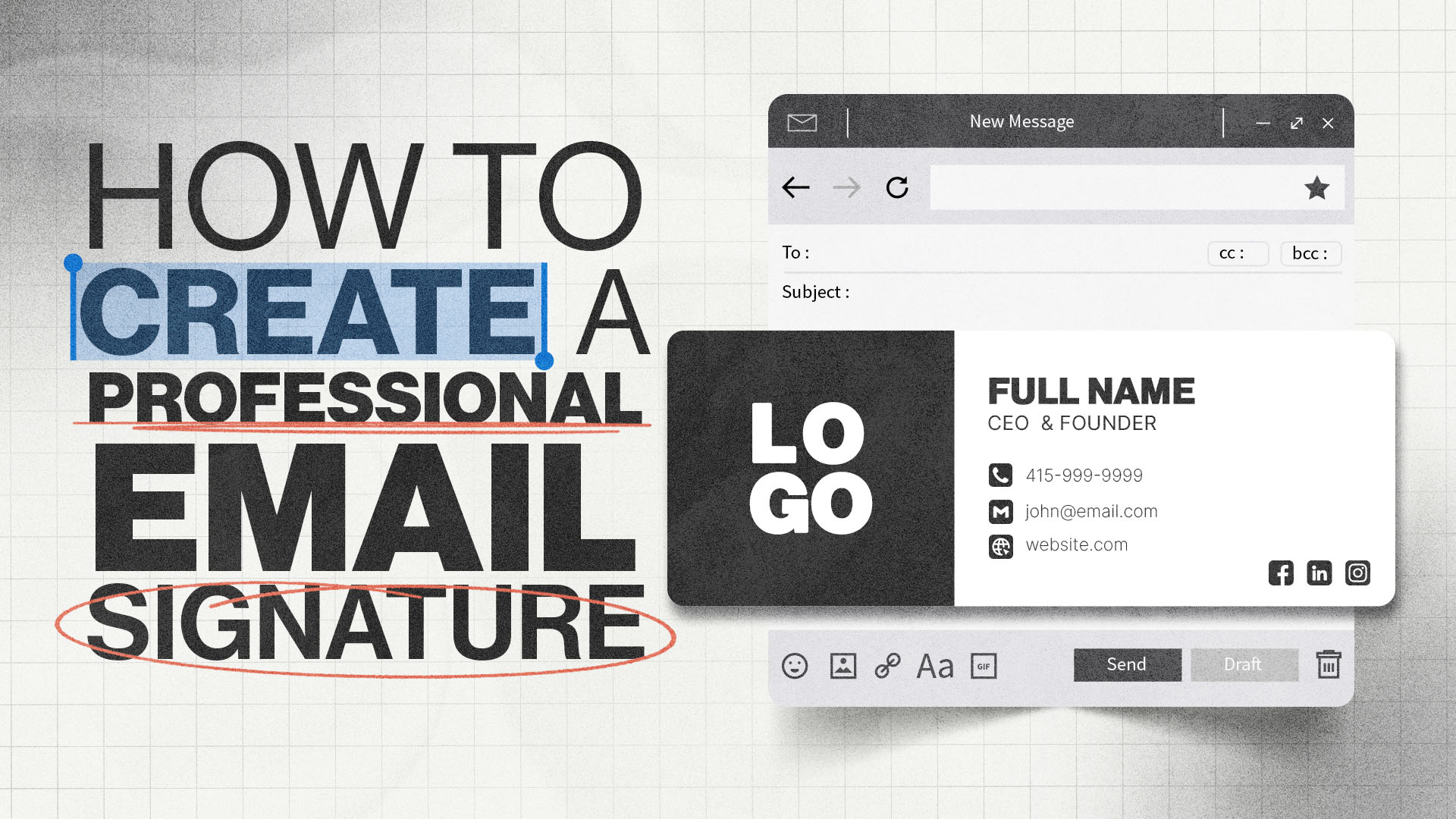
Use your social media followers and your business email list to start building your list, or include a link in your email signature that goes to your newsletter, blog post, or landing page with email subscription CTAs.
Create individual and personalized landing pages. Well-targeted email marketing newsletters and campaigns will help you gain customers and encourage current ones to purchase your product or service.
To simplify your email marketing efforts, consider using an email marketing platform. They offer efficiency, professionalism, audience targeting, analytics, compliance, and scalability, making them an invaluable tool to drive results.

3. Understand Organic Traffic / SEO
SEO helps you attract people to your website. Your blog, email marketing, pay-per-click advertising, and competitive research need to include the right keywords.
Use Google Adwords Keyword Planner to get keyword ideas by finding search volumes, competition, and cost per click. Test running ads on Google and make sure your website is SEO-friendly by using the right keywords and optimizing website speed. A fast-loading site improves user experience and can positively impact your search engine rankings.
In addition to optimizing your website, don’t forget the power of Google My Business for local SEO. By optimizing your Google My Business profile with accurate business information, photos, and by responding to reviews, you can improve your local visibility and attract more organic traffic from nearby customers. It’s a crucial tool for businesses that rely on local search to grow their online presence.
By getting the keywords right, Google understands the content and ranks your website at the top of a relevant search. Thanks to keywords, you will also help deliver what people want.
Use Organic Search in Google Analytics, blog comments, and social media hashtags. Use SEO-friendly URLs that are readable, with keywords, short, and match the title of the page.

4. Have a Content Marketing Strategy
Content marketing is about educating people to help them find the solutions they want and need. Focus on being informative rather than selling. Publish quality content and images on your website, blog, social media, podcasts, and videos to grow traffic and boost conversions.
Run your content through plagiarism checkers and AI detector tools to help improve the accuracy and value of your content marketing materials. Ensure the information you post is reliable and well-written (clear and concise) to enhance the perception of your business. Check how you can improve what’s already been written about a topic.
Your content creation should include keywords to improve your ranking. SEO is a core part of every content strategy. Wrap your content with metadata to achieve greater visibility in search results. Sort your blog content into categories and tags. Blog posts that are easy to read and relevant to your intended readers are a good way to attract visitors to your website.
Use the blog to tell your company’s story, provide tips from experts and ideas. Allow users to comment and add their own content so that they engage. Keep up the flow with blog articles, photos, and news. Update your online presence a couple of times each week.

5. Focus on Your Target Audience and Make Data-Based Decisions With GA
Understand your market and speak to a specific target audience. What do your potential customers want, and how do they search: what keywords do they use? Who are your competitors, and what is working well/not working for them?
Measure your important metrics. Use Google Analytics to get audience reports.
Get data on traffic, click-through rate, conversion rate, leads, sales, average order value, revenue, etc.
It will help you make better decisions and test their outcomes. Check what pages are getting attention (Landing Pages) and discover why visitors abandon your site by collecting feedback. Don’t forget to set measurable targets.

6. Use Social Media and Be Active in Online Communities
Social Media is where people get recommendations and where you can build trust with them. Many people will visit your social media profiles before your website, and here are ways you can use social media to grow your business.
It is important to keep track of social media metrics to ensure campaigns run as planned. Check where your content is being shared and focus on it.
Increase leads by posting regularly, using visually appealing graphics, writing authentic and relevant posts for your audience, and including a call to action. Use positive feedback as social proof of your website: Get your customers to share their experiences with friends, colleagues, and communities.
Make sure with plugins that your website has quick links to like, share, pin, and follow for Facebook, Twitter, Pinterest, and Instagram. It leads to an improved search engine ranking of your site.
Make it easy for customers to provide feedback with a feedback button, a short customer survey for returning visitors, and live chat. This will help guide your product and service development. Test different types of posts and check what works best for your company.
Pro tip: Branded links in social media marketing are now the best practice. They’re known to increase trust between your brand and your audience, as well as engagement and click-through rates.
Marketers can create branded links using platforms like Rebrandly URL Shortener.

7. Reviews and Feedback: The Power of Customer Opinions
Customer reviews and feedback are essential for building trust and credibility in your online business. Positive reviews can attract new customers, while constructive feedback helps identify areas for improvement, and both can significantly boost conversions when used effectively.
Engaging with your customers by responding to their reviews shows you value their opinions and helps build stronger relationships.
To improve the feedback process, encourage satisfied customers to leave reviews, make it easy to share their experiences by providing links to review platforms, and consider offering incentives for leaving feedback.
Analyze feedback to identify common issues and areas for growth, then take action to address them and improve your products or services.
Tools like Uniqode and SurveySensum can help collect and manage customer feedback efficiently, streamlining the review process to keep your business responsive and customer-focused.

8. Build a Mobile-Friendly Website
Keep your website simple and clean, and make sure it is mobile responsive so that people can access it while on the go to offer an enjoyable experience to the users.
This is especially important when starting a business with little money, as a well-designed, responsive website can make a strong first impression without requiring a large investment. Prioritize functionality and user-friendliness to maximize your resources effectively.
It will help you increase sales and word of mouth, as people can share information directly with colleagues or relatives. Information people look for should be easy to find. Use a navigation bar, make buttons and fonts large enough, include a Viewport Meta Tag so that the page fits the user’s screen, have Autocorrect turned on, and compress your images and CSS.
Keep testing and checking your website to ensure it looks good on mobile. Perform a mobile-friendly test and check that your website looks good on mobiles.

9. Leverage Automation to Save Time and Resources
Automating repetitive tasks can free up your time to focus on strategy and growth. Tools like Zapier, HubSpot, and Hootsuite can automate processes like email marketing, social media scheduling, and customer follow-ups.
Use WhatsApp chat widgets and chatbots on your website to handle customer inquiries instantly, providing 24/7 support without requiring manual intervention. For data analysis and visualization, learning about Power BI with DataCamp offers a powerful solution to automate analytics while enhancing your skills.
This combination helps you create dynamic dashboards, reduce errors, and improve decision-making efficiency. Automating inventory management, invoicing, and analytics can also help reduce errors and improve efficiency.

10. Prioritize User Experience (UX)
A seamless user experience can significantly impact customer retention and conversion rates. Ensure your website has intuitive navigation, fast load times, and clear call-to-action buttons. Conduct A/B testing to determine which layouts, designs, or content resonate best with your audience. Use tools like Hotjar or Crazy Egg to analyze user behavior and identify pain points in your website’s design. Remember, happy users are more likely to become loyal customers.
Invest in design: take advantage of BrandCrowd’s Logo Maker!
The first step is to invest in great design and get a logo! Do you have some ideas of the type of logo you need for your brand and need help creating one? BrandCrowd has the solution for you!
Simply insert your business name and some keywords and generate hundreds of logo designs. As we’ve seen earlier in this article, it is important to visually communicate your business identity.
Browse the designs and customize the ones you like by changing fonts and colors, adding a tag line if you have one, adding symbols and shapes, and play with the layout.
Pro Tip: If the color choices are too limited for you, you can customize the “Hex” code by clicking on the “Plus/ +” sign and then entering the code. You can retrieve these “Hex” codes by using Photoshop or simply searching for them on the Internet. Click on “Preview” to see how your logo will look.
Download and choose your license! If you’re happy with a design that remains the property of DesignCrowd and can be available for other clients, buy the Standard Licence, or buy the Exclusive Licence to get the full rights and remove the design from the platform.
Or have designers create custom logo design ideas for you on DesignCrowd. Then, get an awesome custom web design on DesignCrowd!
Find more details on how to use the tool in the article 3 Easy Steps To Create a Business Logo on BrandCrowd and in the blog article 4 Things To Consider When Creating A Company Logo on DesignCrowd.
Need more resources to grow your business online? Have a look at the following articles:
- How To Grow Your Business Online
- 7 Tips for Designing a Website that Ranks in Google
- All You Need to Know About Content Marketing
What are you waiting for? Head over here, and we can start your logo design project now!