How To Create Beautiful Menus That Reflect Your Brand
Is your menu doing all it can for your restaurant? Too many see a menu as just a list, missing its true potential. But your restaurant menu design is a dynamic, strategic asset.
It’s not just about what you serve, but how you present it, directly shaping customer perception, order choices, and overall spending. Think of it: just as you’d use a top-notch logo maker to perfect your brand’s image, your menu deserves the same strategic thought.
The way people interact with menus is rapidly changing. Diners now expect a smooth and visually strong experience that fits your brand. If you’re not keeping up, you’re missing out.
This article will guide you to effective menu design, from clever visual tricks and customer psychology to balancing digital and print menus and understanding their impact on your bottom line.
Understanding Brand Identity & Audience
Before considering fonts or colors, the first step in creating a fantastic menu is understanding your brand and who you serve. Your menu is an extension of your brand identity, so it needs to speak the same language.
Defining your brand
Your brand is more than just your logo design. It’s the personality of your business. Think about your brand’s voice, values, and the overall feeling you want to create. This includes your logo, your chosen color palette, and the fonts you use. These elements should be consistent across everything you do. Your menu is no exception.
For example, luxury brands often use rich colors like black, gold, and deep blue in their menus. These “sensory branding” choices show elegance and exclusivity. They appeal to higher-end tastes and influence how diners see the food’s quality and price.
Mapping to your audience
Who are your customers? Are they young professionals, families with kids, or a more mature crowd looking for a quiet evening?
Understanding your audience’s demographics, such as age and income, and psychographics, like lifestyle and values, is key. This knowledge helps you tailor the tone and layout of your menu to fit their expectations.
For instance, an upscale bistro might use elegant, minimalist design with sophisticated language to appeal to a discerning clientele. On the other hand, a cafe might opt for a vibrant, easy-to-read menu with playful descriptions that attract a younger, more casual crowd.
Remember, your chosen colors can even bring out specific emotions that impact customers’ orders.
Design Fundamentals: Visual Elements
Once you have a clear picture of your brand and audience, it’s time to turn that into visual elements. Good menu design blends art and science, ensuring your offerings are seen, noticed, and desired.
Layout and readability

A clear and logical layout is the backbone of any effective menu. Think about hierarchy. How do you guide the customer’s eye? Use different font sizes, clear categories, and plenty of white space to make your menu easy to read and understand.
Many designers talk about the “Golden Triangle,” which suggests that customers tend to scan the center first, the top right next, and then the top left of a menu. These are often called “sweet spots” because items placed there get the most attention.
Interestingly, studies show that putting prices in the center can make it harder for customers to compare them. This subtly encourages them to focus on the dish rather than just the cost.
Color, typography, and imagery

The colors you choose for your menu are incredibly powerful. Color psychology teaches us that warm colors like red and orange boost the appetite. This is why many fast-food brands use them.
Green, meanwhile, signals freshness and health, which is perfect for an organic cafe. Blues and purples, though less common for food, can suggest luxury or calmness. You often see them in upscale dessert or cocktail menus.
The key is to pick colors that reflect your brand’s personality and the feeling you want to create for your diners.
Typography, or your font choices, is equally important. A cozy, rustic restaurant might use a charming, handwritten-style font. A sleek, modern spot would likely choose clean, sans-serif typefaces.
The size and weight of your fonts also guide the eye, making sure categories stand out and descriptions are easy to read. Using consistent fonts throughout your menu helps build your brand identity.
Finally, imagery needs careful consideration. High-quality photos can make dishes look irresistible and encourage orders. However, too many pictures can make a menu cluttered or make your food seem less valuable.
When you include images, ensure they are professional, high-resolution, and truly mouth-watering. They should accurately show your dishes and make customers eager to try them.
High-quality images can significantly increase the appeal and perceived value of your offerings. They can turn your menu into a visual invitation.
Menu Engineering and Sales Psychology
Good menu design smartly guides what customers choose and helps you sell more. This is where “menu engineering” and “sales psychology” come in.
Pay attention to where you place items on your menu. Customers naturally focus on specific spots such as the beginning and end of a section, or the top right corner. Items in these key areas are more likely to be remembered and ordered. This effect is known as “serial position.”
Small tricks can make a big difference.
- For example, prices seem less scary if you don’t use currency signs. This makes customers focus on how good the dish sounds instead of how much it costs.
- Also, using appealing descriptions that make people imagine the taste can help. Instead of “short ribs,” try “slow-braised short ribs with a rich Cabernet reduction.” This makes the dish sound much more inviting.
How you price items is important, too.
- The “Rule of Three” suggests offering three prices for similar items. Often, the middle-priced option seems like the best deal.
- You can also draw attention to specific items. For example, put a box around a “chef’s special” or highlight a popular dish. This subtly pushes customers to buy the item.
Show what’s popular. When you highlight items with ‘popularity badges’ or tags like ‘most popular,’ customers are likelier to choose them. These small but powerful tricks influence what your customers decide to order.
Designing for Digital and QR Menus
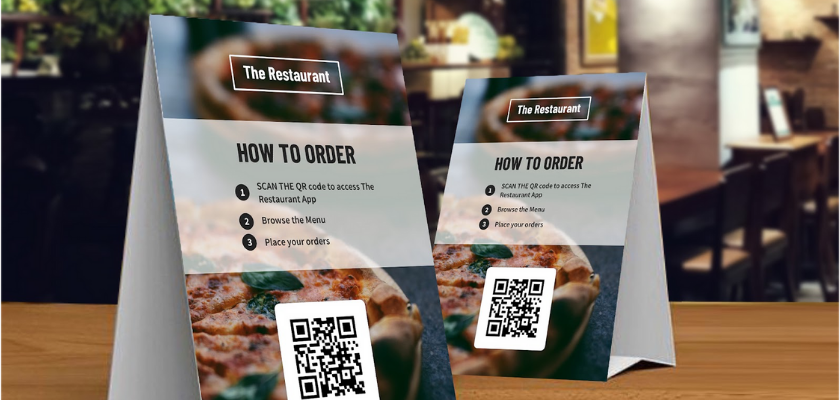
Menus are changing fast. More and more restaurants are using digital and QR code menus. In fact, their use has jumped by 150% since 2023, partly because 59% of customers now scan QR codes daily. This means menu design isn’t just about paper anymore; it’s about the digital world too.
When creating digital and QR menus, it’s crucial to consider the user experience (UX). This means:
- Make sure font sizes are easy to read.
- Design layouts that adjust to different screen sizes.
- Keep navigation simple and easy to use. Customers shouldn’t have to zoom in, pinch, or struggle to find what they want.
Your brand should also look the same online as it does everywhere else. This includes your digital menu, business cards, and website, which should use your restaurant’s colors, images, and overall look. You can even add customer reviews or ratings to your digital menu to help people choose.
However, there are a few drawbacks. Small fonts, for example, can be very frustrating for customers. About 26% of diners find tiny fonts on digital menus annoying. And while digital menus are handy, some people, especially in luxury dining, still prefer to touch and hold a physical menu.
New ideas like AI personalization will likely make digital menus even smoother. This could reduce the number of taps needed to order from eight to just two.
Case Studies: Real‑World Menu Designs
Let’s look at some real-world examples to see these ideas in action. These case studies highlight how different establishments approach menu design to achieve their goals.
Upscale dining: The Wolseley

The Wolseley in Mayfair, London, shows how clever menu design can subtly guide what customers choose and boost a luxury brand. Their menus smartly use ideas from how people make decisions.
For example, they use something called ‘extremeness aversion.’ This trick involves showing various prices, including a costly choice. This makes other costly but more affordable dishes seem like a good deal. It also encourages diners to pick the mid-range items rather than the cheapest or most expensive ones.
A key detail in their menu design is how they show prices. Instead of putting prices in a separate column where it’s easy to compare them, they discreetly place prices on the right side of each dish’s description. And here’s why that’s important: the prices use the same font size as the dish description.
This subtle choice stops customers from just hunting for the lowest price. Instead, it encourages them to read the full description and consider the dish’s value, shifting their focus from how much it costs to the dining experience.
The overall menu card design at The Wolseley, with its elegant fonts, high-quality paper, and clear layout, perfectly strengthens its luxurious and classic brand. Every detail works together to create a top-notch dining experience. The menu is more than just a list of food. It’s a vital part of the restaurant’s sophisticated charm.
Casual dining: QR in fast‑food chains

Many fast-food chains have rapidly embraced QR menus, valuing the convenience they offer customers and their operations. A great example is McDonald’s, which often uses QR codes to guide diners to its mobile app for effortless ordering, loyalty program participation, and easy access to full menu details.
While these digital menus provide speed and efficiency, a key consideration for these chains is finding the right balance. They aim to deliver convenience without entirely losing the human touch that some customers still appreciate.
Digital ordering trends in this sector strongly prioritize a seamless user experience. This means the menu must be intuitive, with clear navigation and quick, straightforward ordering from a smartphone. These systems also frequently integrate loyalty programs directly into the menu, making it simple for customers to earn points or access special offers.
Fast food menu design focuses on quick readability and straightforward choices, perfectly fitting the high-paced environment and helping manage busy service times effectively.
The Lasting Impact of Smart Menu Design
Making a beautiful and practical menu is genuinely an art. Every detail matters, from using visual elements like layout, color, and fonts to applying clever menu engineering and sales psychology.
Ultimately, your menu is a powerful tool. It shows your brand, guides your customers, and drives your success. If you want to create amazing menus that capture your brand’s essence and engage your customers, consider using a dedicated menu maker.
Tools like BrandCrowd’s menu maker offer many templates and customization options. These tools empower you to design a professional and eye-catching menu, helping it connect with your audience and improve your business.
Start designing your perfect menu today!
Read more on branding and designs here:
- How To Write Welcome Emails That Define Your Brand
- Subtle Logo Updates: The Power of Minimal Changes
- Brand New You: A Guide to Timely and Smart Rebranding
FAQs on Menu Design
1. Why should I invest in menu design?
Investing in menu design dramatically shapes how customers see your brand. A well-thought-out menu improves the customer’s experience and can significantly increase your profits by subtly guiding their choices.
2. Should I include photos?
High-quality images make your dishes more appealing and boost sales. However, poor-quality or amateur photos can make your food look less desirable and reduce customer trust.
3. How often should menus be updated?
You should aim to update your menus at least once a year or seasonally to reflect fresh ingredients and trends. Digital menus offer even more flexibility, quickly changing items based on what’s in stock or current promotions.
4. Can small design changes boost profits?
Absolutely! Simple changes like placing popular items in “sweet spots” on the menu or adding “most popular” badges can significantly increase sales, often by 15-30%. These minor tweaks guide customers to choose higher-profit items.
5. Are QR menus here to stay?
Yes, QR menus are here to stay, with usage increasing by 150% recently, and 59% of people scanning them daily. While they offer great convenience, many premium restaurants still find value in blending digital options with traditional print menus for the best customer experience.
Hannah Suroy suroy loves turning big stories into easy-to-digest articles about movies, TV, business, and more. These days, she mainly writes creative articles and insights focused on the world of design.
Original Artwork by Khim John Blazo